
Keep the gesture when adapting a wide visual to portrait
A dance-class banner relies on an extended hand, a partner’s gaze and the registration time. A centred crop can preserve both faces and lose the movement.
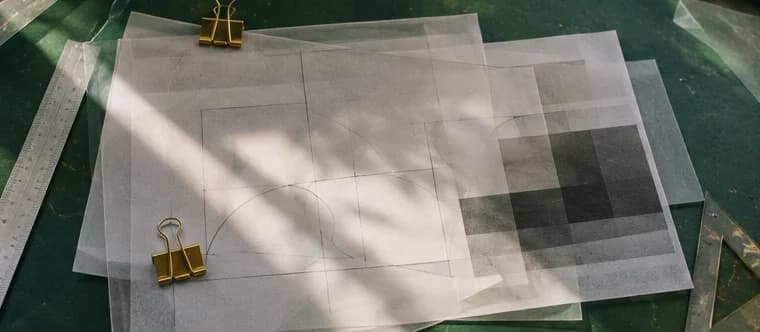
Mark three boundaries
Trace the reach of the action, box the necessary copy and mark the space ahead of the gaze. Overlay a portrait frame. Note which edge causes the conflict before moving the typography.
Place a narrow paper window over a print. Ask the instructor where the action resolves: in this example the left hand crosses a partner’s shoulder line. Mark the space between the performers as well as their fingertips. Write “Friday, 7 pm” on a slip and move it along the frame. A crop that technically fits both bodies can still make their relationship unreadable. Notice at which edge the arm disappears as you move the window.
Free the type
Move the time in the layered file first. Ask for a clean photograph when the lettering has been flattened. If you choose another shot, confirm it conveys the same movement with the teacher.
On a Haivis canvas you can compare the wide original and portrait sketch side by side at the same gesture size. Try the time over clear floor first. If footwork is also central to the class, reserve a separate band for type. Where a simple wall can be extended, inspect railings, floor seams and mirror reflections for continuity. Look for an obscured hand in the original photographs; an invented fingertip makes poor evidence of the lesson.
Preview in the real container
Test the wide banner, portrait page and platform overlay. Look for a foot or a time hidden by a button. Save a proof for each placement so a later date change can be checked in every version.
Use a phone to capture three states: the listing, the detail page and the expanded image. Ask what kind of class it is in the listing, which performers interact in the detail view and whether the toolbar hides the time near registration. Note the missing detail in each. A clean title cover may serve the listing while the detail page gets the complete gesture.
Give the photographer a usable reshoot note
Try “The portrait needs the left hand and the partner’s right shoulder together, with room for two lines above their heads. Please keep the frames just before and after the same action.” That directs both distance and timing. Put the returned shot into the real placements, have the instructor inspect the gesture and the organiser read the time. Archive separate wide and portrait compositions for the next performance.