
Stress-test a batch poster with three awkward records
Twenty lecture posters may share a template. Three convenient short titles tell you little about the records most likely to break it.
Test long, missing and mixed-script text
Select the longest lecture, a session with no subtitle and a name containing Latin letters. Keep each record’s real date and venue. An empty field should release its space without moving the essentials beyond reach.
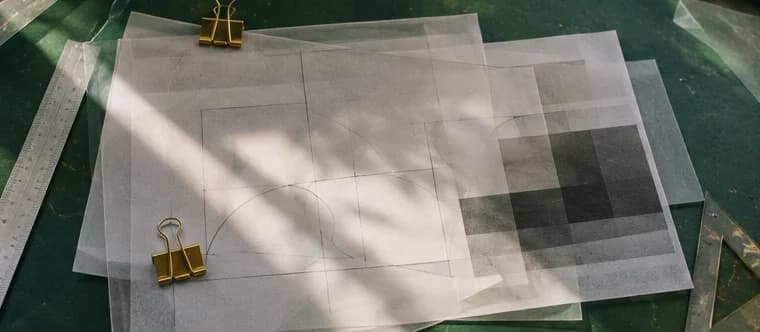
Try a three-row proof sheet. Record L17 is a talk called “How an old ferry ticket helped us trace a lost crossing”. Ask the editor which phrase must stay together. L08 has no subtitle: the speaker should follow the title without an orphan rule. L12 lists “Lin Chuan / Jo van Lee”; keep the surname together. Substitute your most difficult real records before signing off. A few pencil marks on paper can settle acceptable breaks before anyone adjusts the template.
Set a policy for overflow
First allow a second line at a natural word boundary. If the name still will not fit, ask the editor for an approved short form. Shrinking the whole composition would shrink the date too.
Check which objects actually collide. If one extra word pushes the title into the time, give the long title a two-line slot and move the rule below it. Print the short and long versions at the same size. A square in place of an accented letter in a speaker’s name calls for a different repair: inspect the font in the exported file. A wider text box will still contain the missing character.
Retain the test batch
Save the records with expected line counts and optional fields. Rerun them after a font, logo or format change. Before release, match a sample of filenames, speakers and sessions by record ID.
Give the proof sheet four columns: input, expected, observed and fix. For L08, expected might read “no subtitle and no gap”. If a horizontal rule survives, bind its visibility to the field. Keep a proof of the failure for the next operator. When a sponsor logo is introduced, add a fourth record that strains the footer and rerun the three existing cases for the title block.
Catch the attractive poster with the wrong speaker
Sort a copy of the table by speaker and lay out the exports by record ID. Read the ID, speaker, date and room against the source row. This catches an accidental sort of a single column even when the layout looks excellent. Store the contact sheet with the revision of the data used. A last-minute room change can then be traced to one record; a change to the shared template still calls for the full test batch.