
Design exhibition signs from the first fork in the route
A photography exhibition has two entrances and three rooms. A folding screen hides a turn that looks obvious on the floor plan.
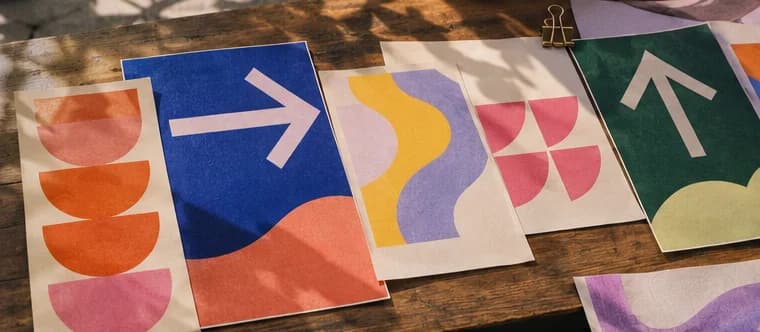
Walk in both directions
Start from each entrance with a blank map. Mark every pause and the object blocking the view. The back of a column may need a sign of its own. Number the points for installation.
Name the approaches North Door and Courtyard Door. Imagine a movable screen presents its narrow end to the first route and its long side to the second. Walk with a clipboard: one person visits without directions, another follows half a step behind. At an actual hesitation, mark where the visitor stood, which words were visible and where their next step went. A note that says only “left” will be useless to an installer approaching from the other door tomorrow.
Use names visitors will see
If the door says Darkroom, put Darkroom beside the arrow. Add the programme’s “Unit Two” as secondary text. Tape temporary signs at installation height and approach them from both sides.
Give each sign an installation note: “B2, courtyard approach, before screen, Darkroom to the right; inspect from ticket desk.” Carry straight and right-arrow paper proofs along the approach. If another corner separates B2 from the room, let the first sign cover the first decision and confirm the route at the corner. Halfway along a compound arrow, visitors have no way of knowing which bend they have completed.
Walk beyond the last arrow
Ask a new visitor to find the room from each entrance. Record where they stop and whether they recognise arrival. Photograph the route in walking order, including the door label at the end.
Distinguish missing a sign from reading it incorrectly. If someone passes without looking, reproduce the ticket queue and open door before moving the sign. If they read “Darkroom” aloud but enter the next gallery, look for an arrow floating between two names. Repeat both walks with the screen in its opening-day position and a colleague at the desk. Photograph the approach, sign and path beyond it together for future reinstalls.
Record a change to the installation
If extra seats arrive during the show, compare B2 with its photograph from the desk. Tall seat backs may hide a previously visible sign. Record its new position, height and photo date. Have the next shift walk the original approach using the revised sheet.